



The History of Tattoos in Japan and the World
Tattoos in Japan have moved past the era of being “objects of fear” and “taboos to be hidden,” and are changing into a lifestyle for expressing one’s true self.
Nowadays, they are popular mainly among women in their 20s and 30s, and as the number of public baths and hot spring facilities that accept tattoos increases, they are beginning to blend into the scenery of everyday life.
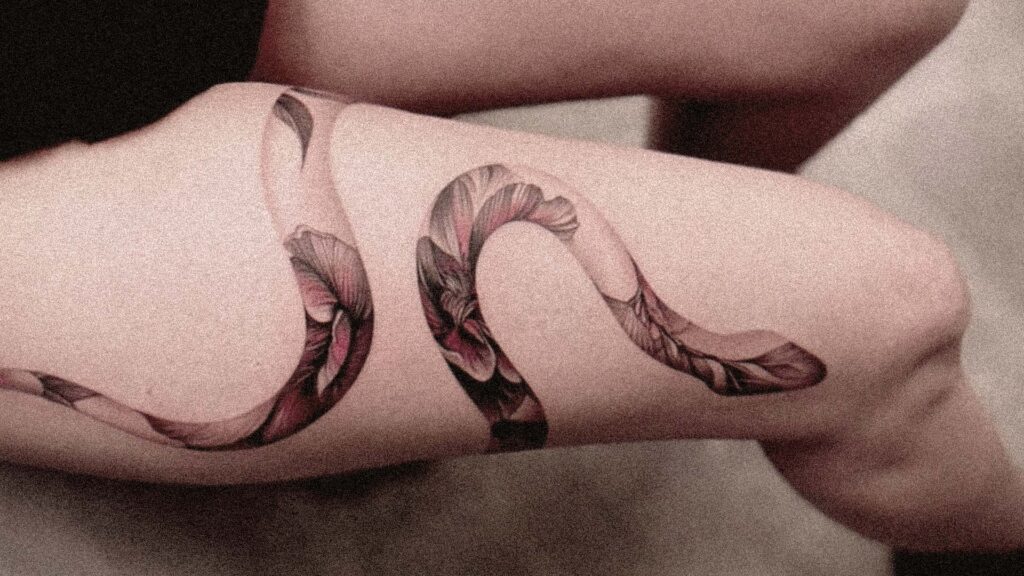
At our studio, “THE GOOD CAT SCRATCH,” artists who have gained experience in the fields of the arts are in residence.
Starting with fine-line tattoos, we value the unique styles that each artist has cultivated, while carefully merging them with the requests of each individual customer to provide them as tattoos. Furthermore, we sincerely address safety and hygiene management, and we use “vegan ink” that is friendly to both the body and the environment.
However, at the foundation of these latest tattoo styles, the “prayers and pride of humanity,” which have been handed down continuously throughout the world for thousands of years, are alive. The reason why people continue to engrave ink into their skin cannot be fully explained by modern words such as fashion or trends alone. This time, we will introduce the history of tattoos in Japan and the world.

The History of Tattoos in Japan
First, we will introduce the history of tattoos in Japan, which underwent a unique development in this location as an island nation. Their origins trace back to approximately over 10,000 years ago.
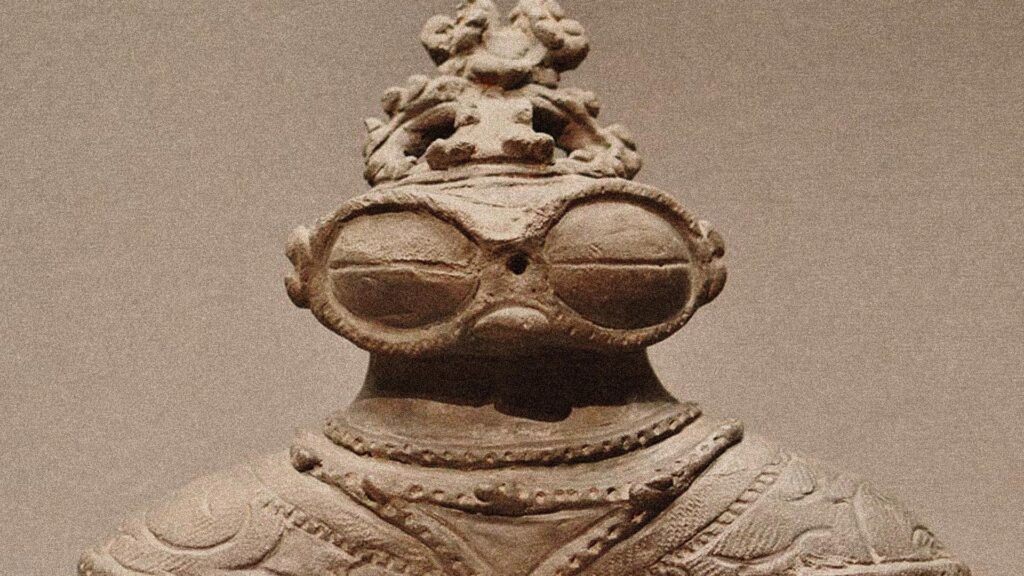
From the Jomon period to the Yayoi period, the powerful patterns carved into the faces and bodies of the clay figurines (dogu) we know are thought to be tattoos that the people of that time actually practiced. They were “talismans” to connect with the natural world and protect life, as well as “identification” to indicate one’s own rank. That culture continues to live on powerfully in the northern and southern lands of Japan as “ethnic tattoos” that house the pride and faith of a clan.
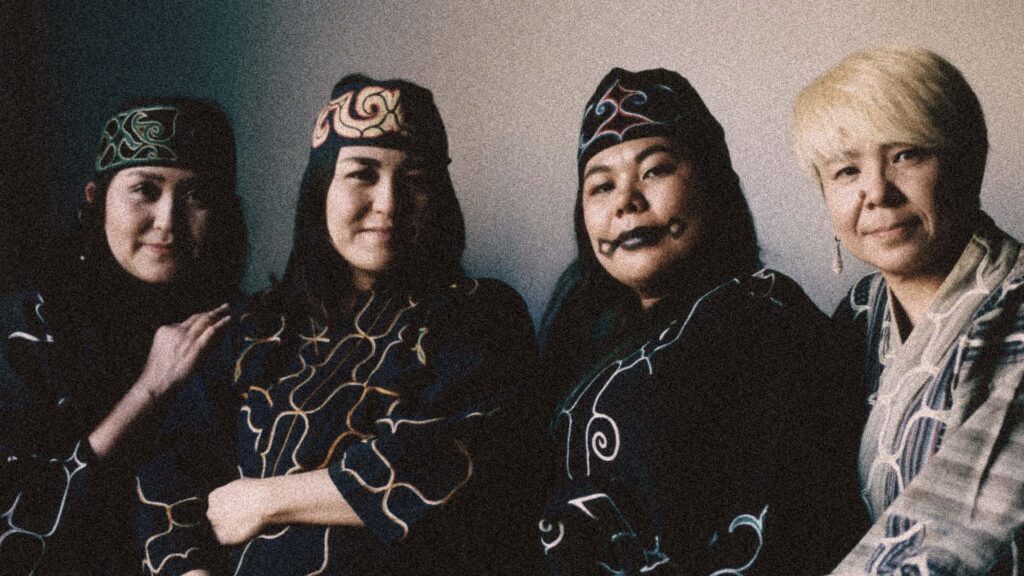
Ainu Sinuye
Ainu women in Hokkaido applied tattoos called “Sinuye” around their mouths and on their hands. This was a proof of adulthood, and at the same time, a sacred mark to ward off evil spirits and to reunite with ancestors after death; it was a “symbol of the soul” for surviving within the harshness of nature.
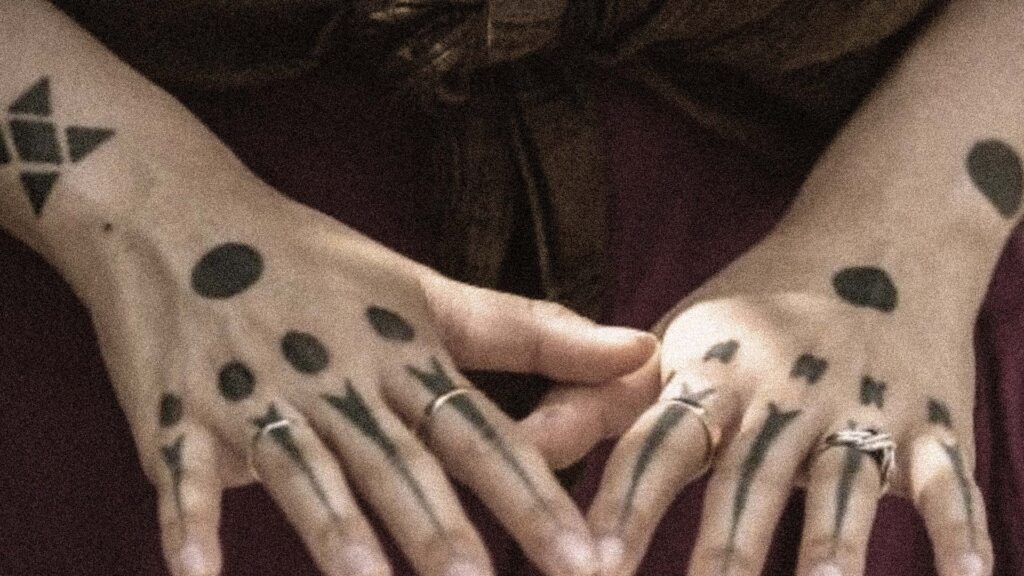
Hajichi of Ryukyu
In Okinawa and the Amami Islands, women engraved patterns called “Hajichi” on the backs of their hands. It was a proof of lineage and a talisman to ward off disaster, and above all, it was an indispensable ritual for life’s milestones, symbolizing “female dignity and freedom.”
Into a Long Period of Taboo
While a rich spirituality was being preserved in the northern and southern lands, the values regarding tattoos changed significantly in mainland Japan.
In the Nara period, when the national system from China was introduced, Japan’s indigenous values changed completely. The Confucian teaching that “harming the body is a lack of filial piety” permeated, and tattoos, which were once for connecting with the natural world, came to be rejected as “impure things.” Furthermore, tattoos began to be used as “Irezumi-kei” (punishment by tattooing) for criminals, and tattoos in Honshu entered a long era of taboo spanning several hundred years from this point.
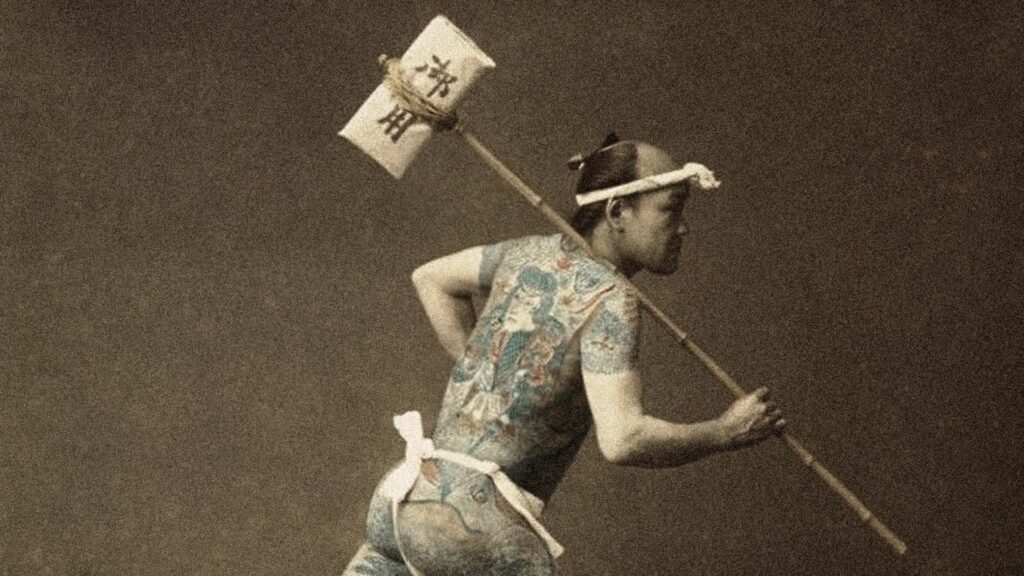
"Iki": The Birth of Traditional Tattooing and Wabori
Even after entering the Edo period, for 260 years, tattoos in Japan were engraved as a punishment for criminals. However, after a long era of silence, they underwent a remarkable evolution by the townspeople of Edo. They repainted the “negative stigma” of punishment into “Iki” art through their own aesthetics. While Japanese culture up to that point is often discussed in terms of “Wabi-sabi,” which prizes simplicity and silence, the Edo townspeople’s culture was the exact opposite—it overflowed with a “gorgeous and elegant” aesthetic that radiated intense colors, dynamic brushwork, and an overwhelming presence. At its center was “Wabori,” created by the ukiyo-e artists of the time. Those brilliant patterns engraved on the skin hid the tattoos meant as punishment and became the ultimate popular art to be worn on the body.
“Iki” means to dislike the unrefined and to have a particular commitment to how one carries oneself. Within a strict class society, the heroes of the town, such as firemen and artisans, entrusted their tattoos with a strong individuality, as if to say, “I will let no one take away my pride.” Covering even the marks of punishment with brilliant art and transforming the painful tattooing into “pride”—that strong spirit of rebellion was the state of “Iki” that the Edokko (people of Edo) prized most dearly.

Why Wabori Became Taboo
Although it was a culture that blossomed in the Edo period, in 1872 (Meiji 5), the Meiji government promulgated the “Ordinance on Punishments for Petty Offenses.” The practice of tattooing was restricted as a custom unsuitable for a modern nation compared to the developed countries of the West. Due to this, the act itself of enduring pain to apply an incarnation that one believes in and that serves as a spiritual refuge to one’s body—as depicted in the movie “Kokuhou”—was sublimated into a “ritual of endurance” that proves mental strength and resolve. It underwent a unique evolution as a “hidden aesthetic” in the outlaw world. This historical background deeply connected tattoos and the outlaw world, becoming the source of the “tattoos are scary” image that continues to the present day.
With the changes of the times, the environment surrounding tattoos has also been gradually re-evaluated. For a long time, the act of tattooing was not clearly defined legally, and in September 2020, a court case contested whether “procedures performed by tattoo artists without a medical license constitute a violation of the Medical Practitioners’ Act.” The Supreme Court emphasized the artistry and historical background of the procedures and recognized that tattoos are expressions with cultural value.
While overcoming numerous constraints within such a history, tattoos have moved beyond mere decoration and changed into an existence that carves out individual prayers and identity. Nowadays, they have come to be regarded as one of the spiritual heritages that should be respected as expressions possessing a cultural background.
Global Tattoo History
Just as Japanese tattooing, which blossomed in the Edo period, was preserved within the outlaw world as an aesthetic of “solidarity” and “endurance” following the “Prohibition Decree” of the Meiji era, tattoo cultures that have carved out their own histories and spirits exist in various parts of the world—including styles influenced by Japanese Wabori, as well as those with connecting aesthetics and spiritualities.

American Traditional
Developed among American sailors braving the rough seas in the 19th century, this style is characterized by thick outlines and primary colors. The motifs were not mere decorations; they were engraved as heartfelt talismans for thoughts of loved ones and to “return home safely.”
In fact, it also has a deep connection with Japanese “Wabori.” During the Meiji era, foreign sailors who visited ports such as Yokohama were fascinated by Japan’s outstanding tattooing techniques and brought those compositions and color sensibilities back to their own countries.
The spirituality of “engraving the determination to face a harsh destiny into the skin” is common to both Japan and the United States across the Pacific, and this encounter has become the foundation of modern global tattoo culture.
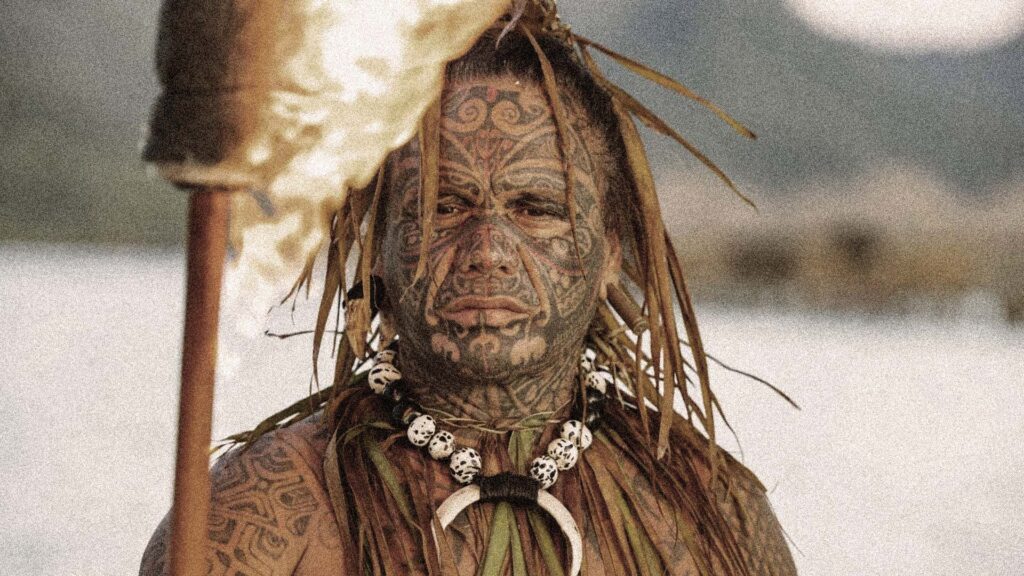
Tribal
A style passed down through indigenous peoples worldwide, such as the Samoans and the Maori, it holds the most ancient history and is the origin of the word “tattoo.” The powerful geometric patterns drawn in solid black were not mere decorations; they were engraved as sacred emblems embodying “social status” and “proof of bravery” within the tribe, as well as spiritual beliefs in protection against evil.
This aesthetic resonates with the tattoos of Japan’s Jomon and Yayoi periods. The primitive spiritual practice of “connecting the body with nature and spirits to prove one’s identity” can be described as an instinctive human expression shared across eras and borders.
The dynamic beauty of housing one’s roots and life force within the physical body continues to be loved worldwide as a style that symbolizes the “strength of one’s inner core.”
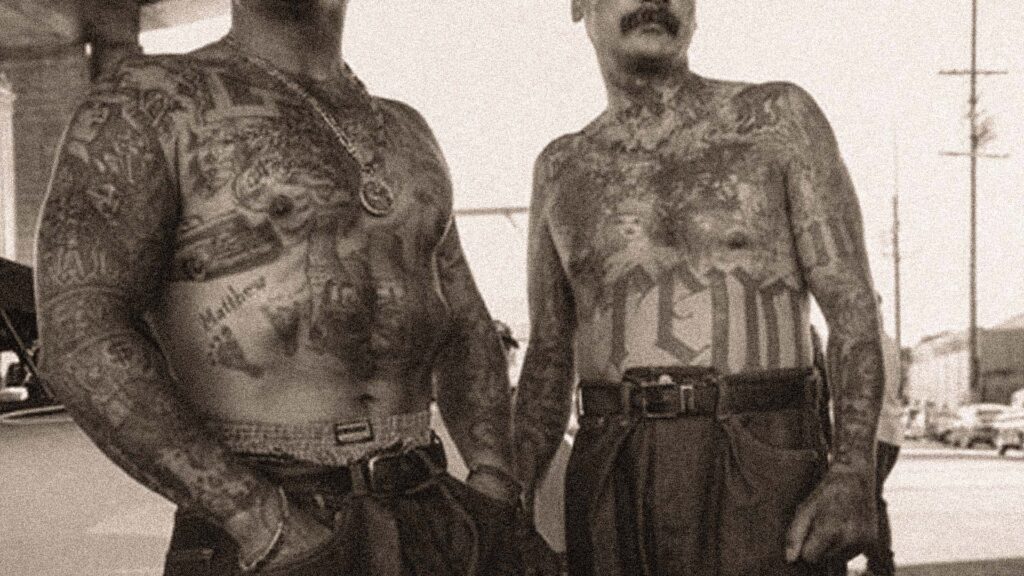
Chicano
Born from the culture of Mexican immigrants living in the United States (Chicanos), this style is characterized by a realistic texture drawn with delicate black and gray shading. Motifs such as Christ, the Virgin Mary, and skulls in memory of deceased family members are not mere designs, but were engraved as pride in protecting “family, faith, and one’s roots” with one’s life under harsh circumstances.
There is a spirituality that also resonates with Japanese “Wabori.” Just as “Iki” and “rebellion” were expressed amidst oppression within the outlaw world, Chicanos also continued to engrave “our bonds that will never break” into their skin amidst social adversity.
The deep passion of “carrying the love for precious beings and one’s own identity for a lifetime” has crossed borders and significantly influenced the Japanese tattoo scene, becoming established as one of the modern methods of expression.
Tattoos as a Form of Self-Expression
Tattoos began in ancient times as “prayer” and “protection against evil,” and have been passed down through generations—evolving in meaning alongside eras and cultures—as symbols of “Iki” (chic style) in Edo and “guardianship” throughout the world. In the modern day, in addition to this traditional spirituality, new technologies such as “vegan ink” have been incorporated, evolving into a free form of self-expression that can be enjoyed with greater peace of mind.
Furthermore, while a tattoo is a form of self-expression, it also has the aspect of collecting an artist’s work. By engraving an artist’s unique worldview and expression into one’s body, it becomes a special existence with one-of-a-kind value. In addition, it carries the meaning of engraving life’s milestones, important events, experiences, and memories onto the body, leaving them behind as a narrative.
From among the rich stories woven by history, we hope you will find a design that colors your own identity and becomes a “lifelong partner” that stays with you for a long time—as an artist’s work and as a record of your life.
※掲載の画像および情報は、各公式ウェブサイトや関連メディアの記事などを参考に整理・編集のうえ掲載しており、権利はそれぞれの所有者に帰属し、各公式ウェブサイトおよび関連メディアを出典としています。 ※The images and information published on this site have been organized and edited based on official websites and related media articles. All rights belong to their respective owners, and the sources are credited to official websites and related media.
THE GOOD CAT SCRATCH
Lifestyle, Art & Tattoo
安心してお越しいただき、心地よい時間を過ごしていただける空間づくりを目指しております。
全てのお客様に特別な時間をお楽しみいただくために、謙虚でありながらも、感性に響く美しさをお届けできればと思っております。
We strive to create a space where our client can feel at ease and enjoy a truly comfortable experience.
With humility and care, our hope is to offer a sense of beauty that resonates with the senses, so that each and every client may enjoy a truly special moment.

住所:〒153-0051 東京都目黒区上目黒2-47-5 Xspace中目黒 1階
アクセス:東京メトロ日比谷線・東急東横線 中目黒駅南改札 西出口より徒歩約6分
Address : 2-47-5 Kamimeguro, Meguro-ku, Tokyo 153-0051, Japan
Access : Approximately a 6-minute walk from the South Gate / West Exit of Nakameguro Station (Tokyo Metro Hibiya Line / Tokyu Toyoko Line)
ご意見、ご質問などございましたら、お気軽にインスタグラムページのDMにて、ご連絡お待ちしております。
If you have any questions or comments, feel free to send us a direct message on our Instagram page. We look forward to hearing from you.
#TokyoTattooStudio #FineLineTattoo #東京タトゥー
