

FAQ
Aftercare Treatments
Now Your Tattoo Is a Part of Your Body
After your tattoo appointment, your artist will provide you with detailed instructions regarding their preferred aftercare procedure.
After a few days
Please keep the SecondSkin bandage on for 3-4 days unless instructed otherwise by your artist. During the first 42 hours, you may notice a buildup of plasma under the bandage—this is normal.
- Showering: You can shower with SecondSkin, but if water gets inside, remove it immediately.
- Fluid Buildup: If there is excessive fluid under the bandage, follow your artist’s guidance on whether to replace it or switch to regular aftercare.
Always follow your artist’s instructions to ensure the best healing process.
Remove SecondSkin Bandages
Slowly peel the film off, avoiding pulling it straight up. Instead, gently pull it back across the skin while holding your skin taut. Removing the film from top to top or bottom to bottom is recommended, and doing so during a warm shower can make the process easier and more comfortable. For more guidance, you can search on YouTube for “How to Remove Second Skin.”
After Removing the SecondSkin Bandages
Keep the area clean by gently washing with running water twice a day (without soap) and patting dry with a paper towel. Apply a thin layer of tattoo balm using a piece of kitchen paper to maintain hygiene and reduce the risk of infection, then switch to a mild lotion for light moisturizing. Wear loose clothing to avoid getting your tattoo wet, and refrain from picking or scratching scabs.

Oronine
Oronine is a mild antiseptic ointment commonly used in Japan for tattoo aftercare. It helps prevent infection, soothes irritation, and supports healing by keeping the skin moisturized. Apply a thin layer on clean skin as directed, but avoid overuse to prevent clogging pores.
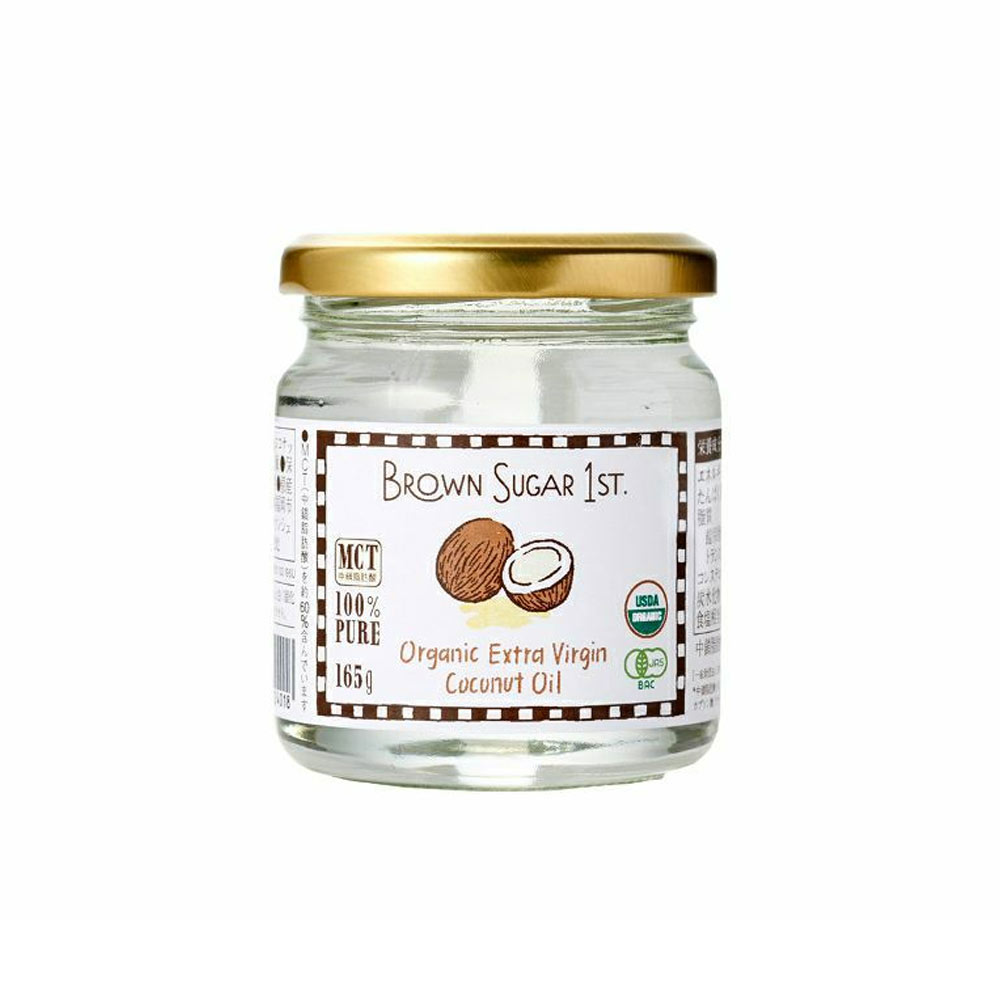
Coconuts Oil
Coconut oil is a natural moisturizer often used in tattoo aftercare. It hydrates the skin, reduces itching, and has mild antimicrobial properties to support healing. Use sparingly on clean, dry skin to avoid clogging pores or overly softening scabs, which may affect tattoo healing.
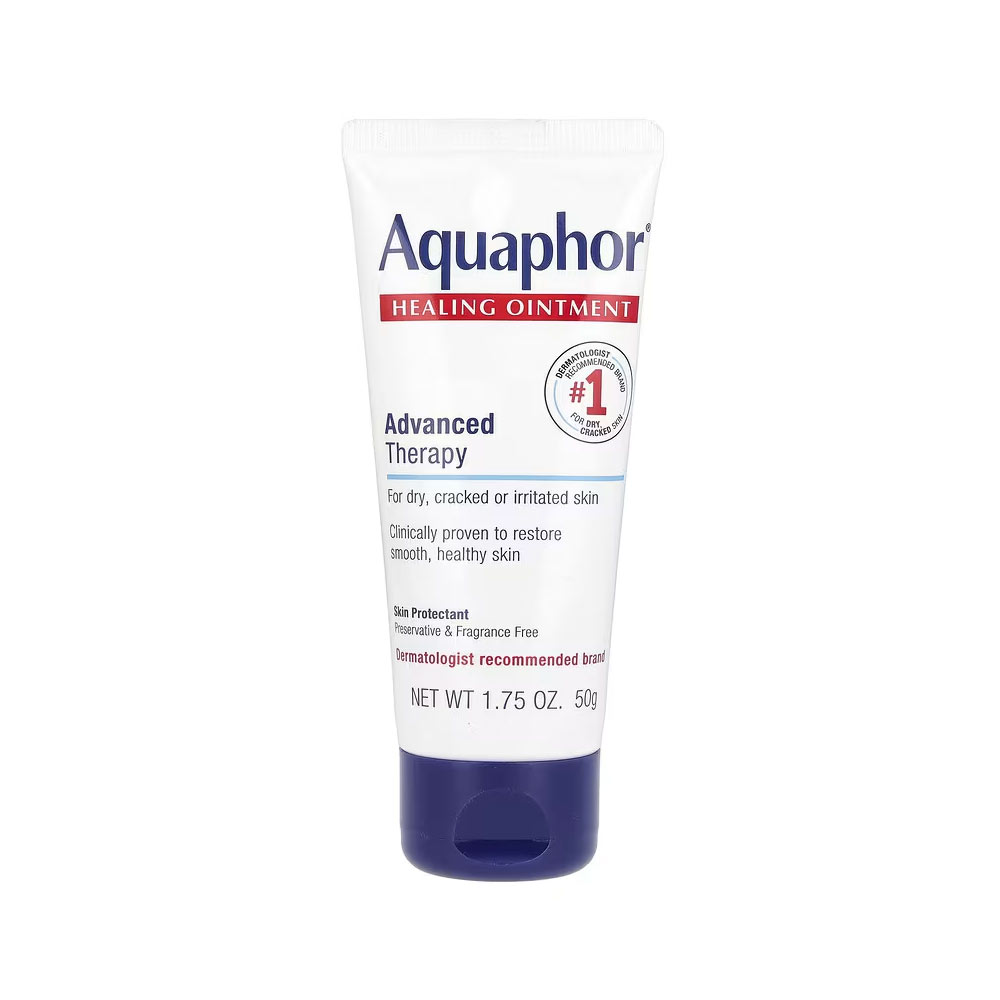
Aquaphor
Aquaphor is a widely popular ointment in the U.S. and other Western countries for tattoo aftercare, providing hydration to prevent dryness and protect the skin while aiding the healing process. Its breathable formula locks in moisture without clogging pores, soothing irritation, and promoting vibrant, smooth tattoo recovery.
Avoid Until the Tattoo is Healed!
Please refrain from tanning, swimming, and using saunas for about a month until your tattoo has healed. Additionally, for fine line tattoos, avoid alcohol until the tattoo has fully healed.
Tanning: UV rays from the sun or tanning beds can cause fading and discoloration of the tattoo ink. It can also irritate the healing skin, potentially leading to complications.
Swimming: Pools, hot tubs, and natural bodies of water contain bacteria and chemicals (like chlorine) that can increase the risk of infection or irritation in the healing tattoo.
Saunas: The high heat and humidity in saunas can also lead to excessive sweating and potential infection risks for the healing tattooed skin.
Alcohol: Alcohol consumption can thin the blood and impair the body’s ability to heal properly. This can interfere with the formation of a good tattoo heal and may increase the risk of bleeding, swelling, or infection.
By avoiding these activities and substances, you help ensure that your tattoo heals properly, maintains its appearance, and reduces the risk of complications or infections during the critical healing phase.
Thin Scab is Good!
A thin scab indicates healthy tattoo healing as it forms when the skin regenerates naturally without excessive trauma, protecting the ink from being lifted while allowing for even skin regeneration, minimizing infection risk, preserving the tattoo’s sharpness, and reducing itching or irritation for a smoother, faster recovery process.
A thin scab is a delicate, slightly rough film that feels light and not overly crusty, appears transparent or light-colored (ranging from slightly darker than the tattoo to clear or light brown), evenly covers the tattoo without forming large raised areas, and flakes off gently in small, soft pieces as it heals, allowing the ink beneath to remain visible and vibrant.
Take Care of Your Tattoo for the Long Term
After healing, remember to apply a high SPF sunscreen or cover your tattoo when exposed to the sun.
It’s important to apply high SPF sunscreen or cover your tattoo when exposed to the sun after it has healed to protect the tattooed skin from UV rays. Sun exposure can cause tattoo fading, discoloration, and damage to the skin, affecting the appearance and longevity of the tattoo. This precaution helps maintain the tattoo’s vibrant colors and sharp lines over time.
- I Might Have Allergy About Glue of Second Skin, What Should I Do?
If you suspect you have an allergy to the adhesive used in SecondSkin for tattoo aftercare, follow these steps:
-
Monitor Your Skin: Watch the covered area for signs of irritation, redness, itching, swelling, or rash.
-
Remove the Second Skin if Symptoms Occur: If you experience discomfort or allergic reactions, gently remove the SecondSkin following your tattoo artist’s or dermatologist’s instructions.
-
Consult a Healthcare Professional: If symptoms persist or worsen after removing the SecondSkin, seek advice and treatment from a healthcare professional or dermatologist.
-
Inform Your Tattoo Artist: Let your tattoo artist know about your suspected allergy to the SecondSkin adhesive. They can suggest alternative aftercare methods or products suitable for sensitive skin.
-
Consider Plastic Wrap: If you know you’re allergic to SecondSkin adhesive, inform your artist and consider using plastic wrap instead after your tattoo session.
Following these steps can help you manage potential allergies to second skin adhesive and ensure proper care during your tattoo healing process.